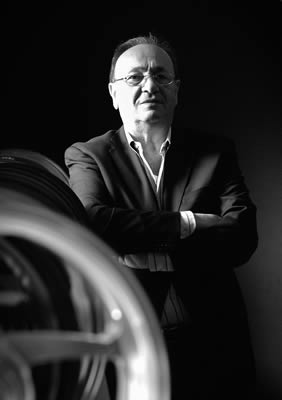
Roberto Marchesini
The pioneer of motorcycle wheels, has given birth to a new winning project. From Giacomo Agostini to Valentino Rossi. Over 170 world titles have been won on high performance wheels designed by Roberto Marchesini.
Drawing from a lifetime of design expertise, Roberto Marchesini returned to the drawing board to set a new benchmark for high performance racing wheels: MFR Wheels.
It is a combination of passion, dedication and know how that has kept Roberto Marchesini at the forefront of motorcycle racing for over 40 years, as he continues to tackle new challenges worldwide in Moto GP, Moto 2 and Superbike.
Legendary Historical Designs by Roberto Marchesini
Several images of the first car wheels AMADORI
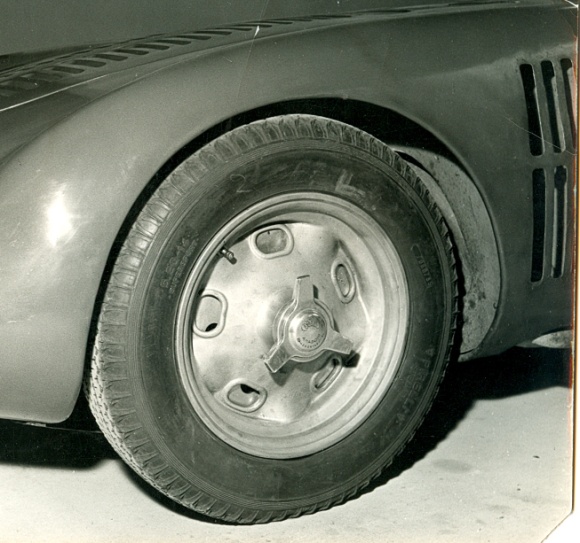
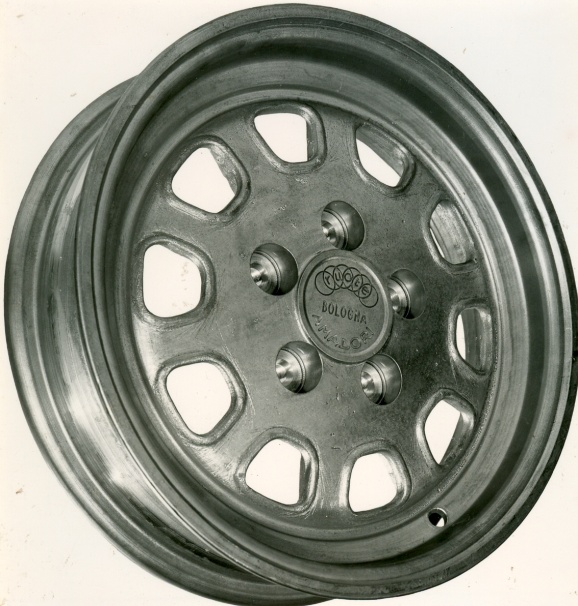
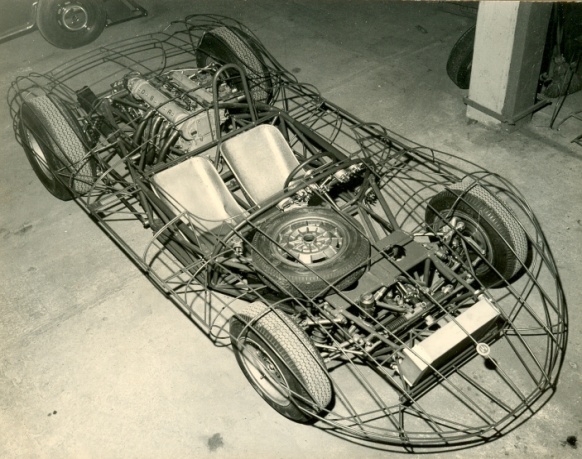
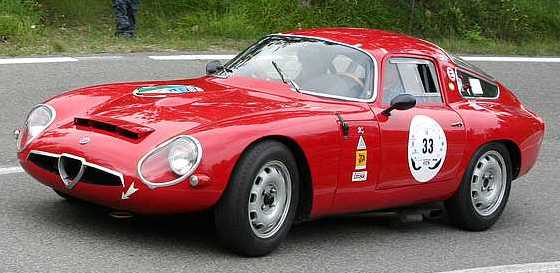
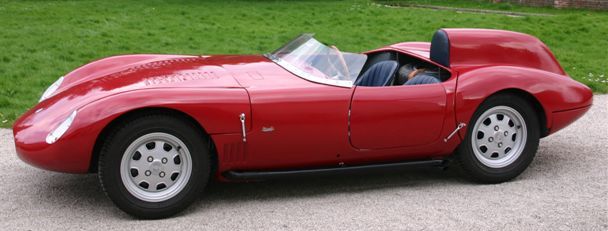
It was a success that led the way.
The first one piece wheels were made for a Maserati car prepared to race in Indianapolis, immediately after followed models created for the Italian racing cars of those times.
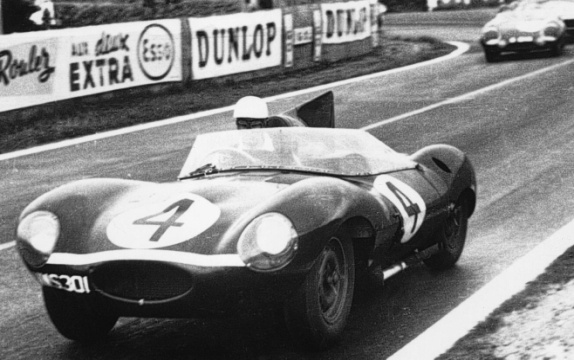
In1953 the technicians from Jaguar co operated with Dunlop in the development of a new invention: the disc brakes. As a matter of fact, the disc brakes copyright dates back to 1902, under the name of F.W. Lanchester. The disc brakes were the secret up the sleeve that allowed Jaguar to win many races from 1954 onwards in the 24 hour Le Mans. On top of the disc brakes, in 1954 Dunlop equipped the Jaguar D Type for the first time in racing with lowered height profile radial tread tyres
Amadori understood that the introduction of the disc brake would have represented the future and in 1957 he threw himself also into this uneasy task having to contend with Dunlop and Girling who had the patent.
In 1959 I began my work career in the Technical Office of the company ‘Ruote Amadori’, I lived a dream.
For someone as passionate about motors as I was, I couldn’t believe I could move around freely in those 20.000 sqm half taken by ‘Ruote Amadori’ and the other half by ‘Fratelli Maserati’. (In my childhood I used to jump the fence in Imola and Monza to watch the cars and bikes racing or I would stay up all night to watch the ‘Mille Miglia’ or the ‘Milano Taranto’).
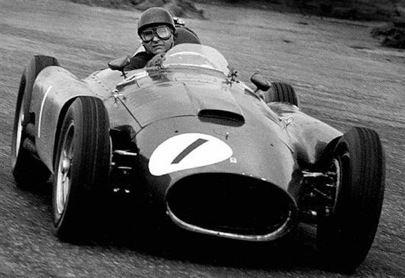
It was a vibrant place, with always something special and important going on, either in our premises or at Maserati’s. The most famous riders of the times would come to pay us a visit, either for work reasons or just for friendship.
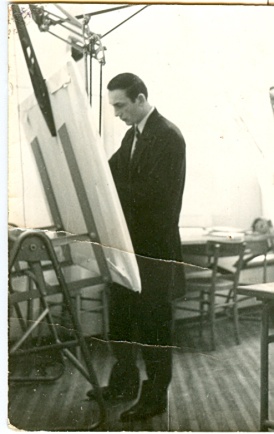
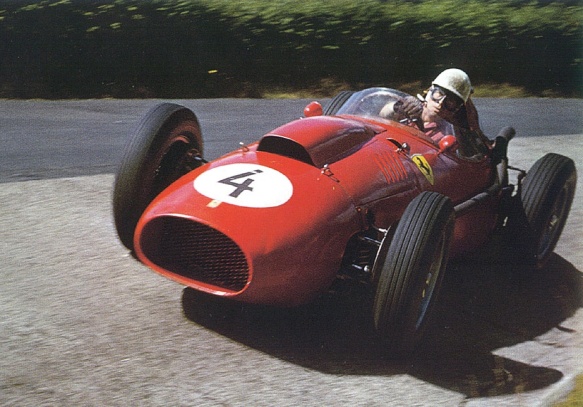
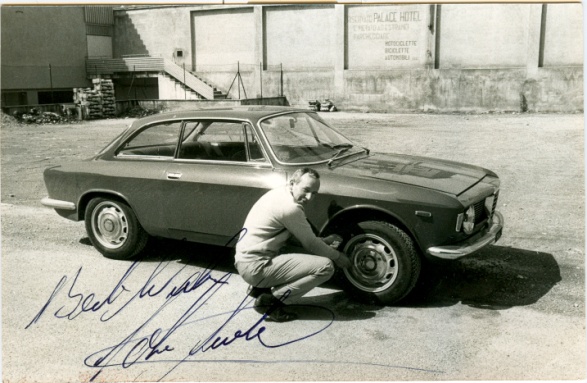
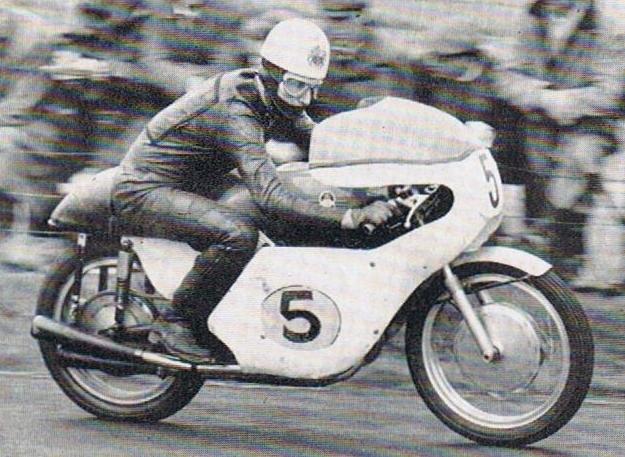
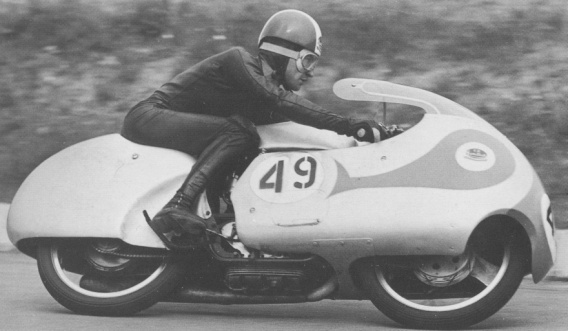
I became quickly appreciated in my working environment and I was assigned more important projects such as the stylistic project of the car wheels. I was also involved in the development of the disc brakes for cars.
The experience with the brakes was pioneering, exciting and definitely unforgettable. Some stylish sports cars were bought or found, then we would go on to register the clearance measurements of the wheels, drum brakes and suspensions, carry out the project of transformation for the application of the disc brakes and finally we would proceed to the manufacturing of the prototype kit.
The road tests would be carried out on country lanes around Bologna and on some stretches of the motorway in construction.
The test drivers were most of the times professional drivers that were free from competitive commitments. The most important was baron Wolfgang von Trips (unforgettable Ferrari driver that died in Monza in September 1961 when he had a collision in the parabolic curve with J. Clarke). At that time, my task was to sit close to the driver, get out of the car and with he help of the measuring tape, measure the braking space and take note the pressure on the pedal by reading the pressure gauge that was placed on the pedal itself.
We had to solve a good number of problems; the brake oil would come boiling causing vapour lock, the brake linings expanded causing the drop of pressure, the compound of the pads was of poor quality and inconsistant, the brakings made deafening sounds and the magnesium used as material to build the calipers didn’t guarantee the sufficient rigidity.
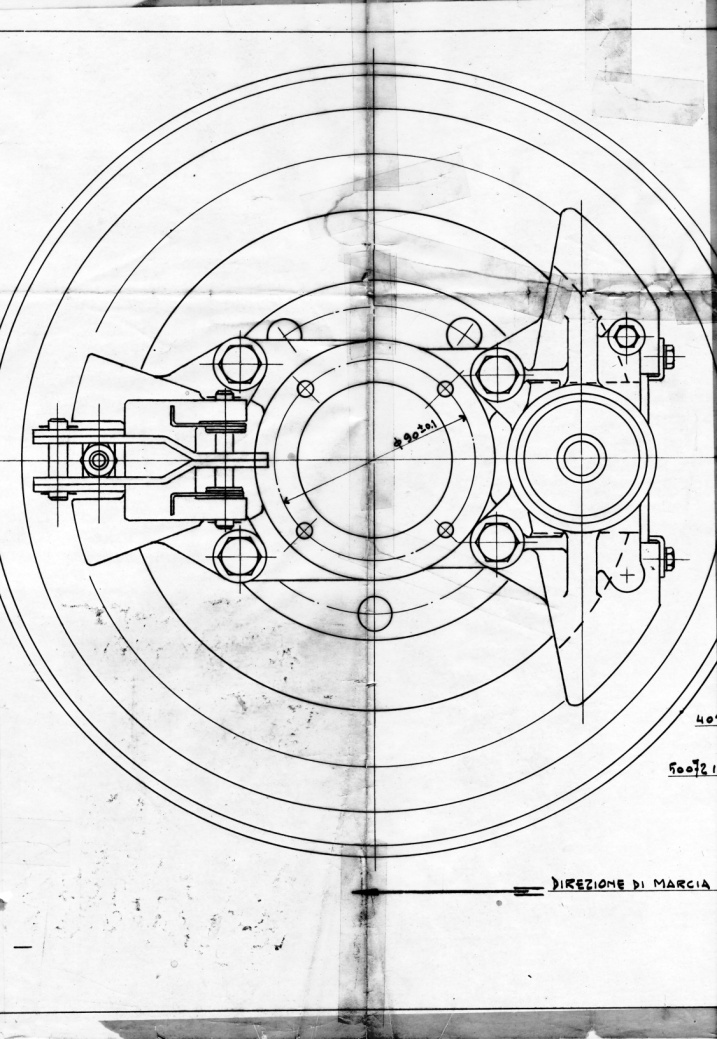
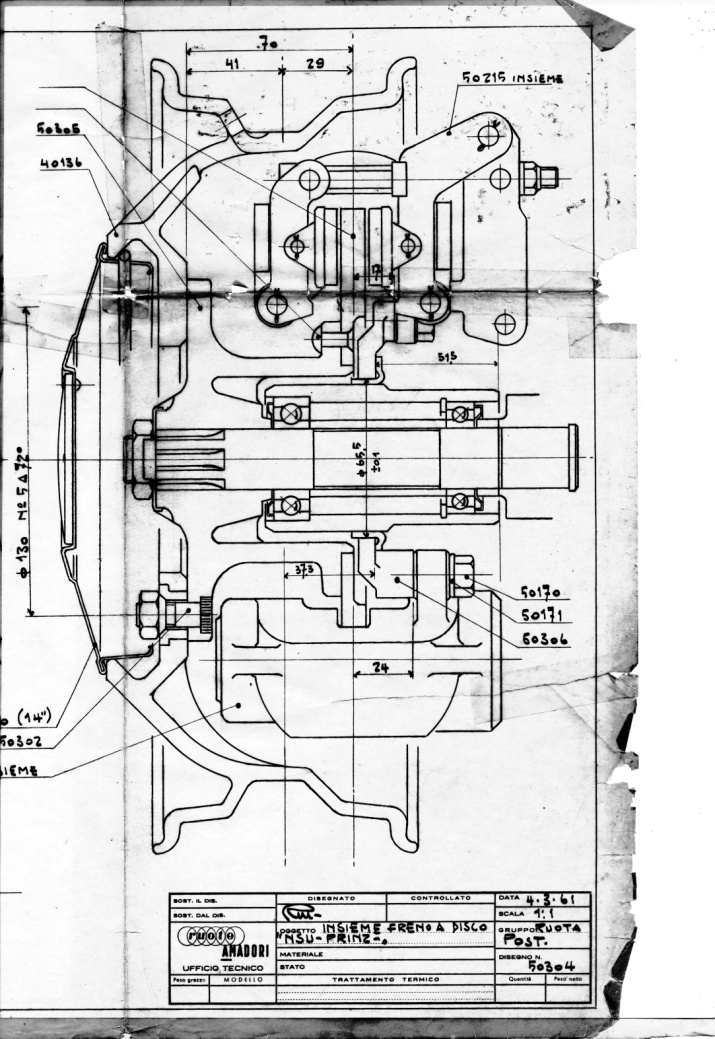
Disc brake project complete with casted wheel for NSU PRINZ – R. Marchesini – March 1961
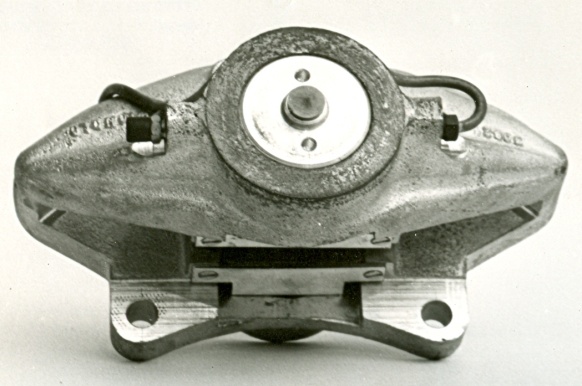
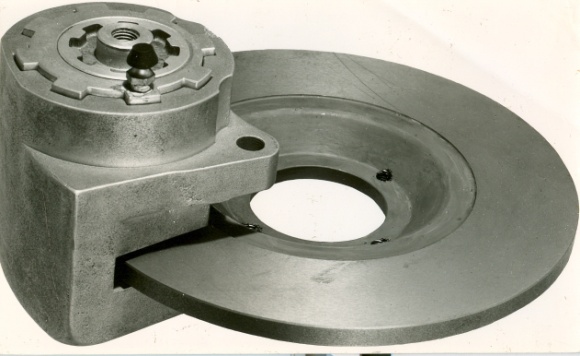
The demand for one piece wheels in magnesium alloy and for disc brakes grew strongly and Ruote Amadori had to expand the premises and machining and foundry plant to keep up with the requests. In 1961, due to the huge economical investment, the company had to ask for support and found it with Mr. Tullio Campagnolo. In 1962 ‘Brevetti Internazionali Campagnolo’ of Vicenza acquired the ownership of ‘Ruote Amadori’ from Bologna.
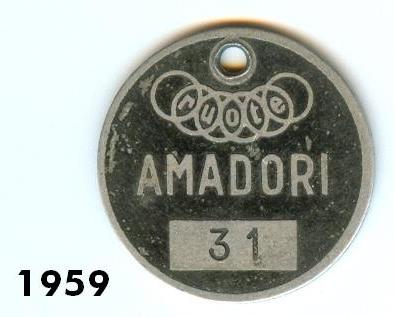
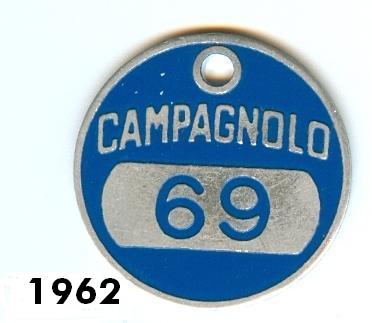
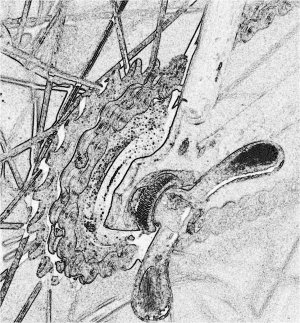
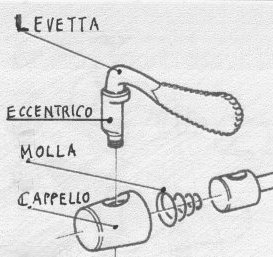
Tullio Campagnolo was a professional cyclist during the years 1920-1930. During a race on the hazardous roads of those times, his hands were frozen because of the icy conditions and he couldn’t loosen the “galletto” (wings nut) of the wheel to replace a tyre because of a puncture. He lost the race but he came up with an idea on how to solve that problem.
He worked using a iron file in the family workshop and invented the quick release system for the wheels and was awarded over 150 patents making the company leader in the manufacturing of the best bicycle components for many years. Some examples the patents include: derailleurs with an articulated parallelogram, rod gears, brakes, multiple sprockets, pedals, foot rests etc).
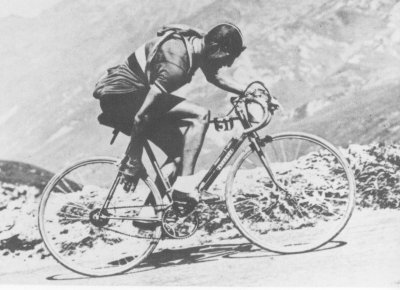
Gino Bartali changing gears with the Campagnolo rod gears (he wins this Tour in 1948)
Tullio Campagnolo, as a precursor of sponsorships in the sports sphere, lived sport with great passion and the entrance in the new motoring activity, regardless of his age, strengthened his enthusiasm and passion.
I had the luck and privilege to have his esteem, in various occasions I worked close to him, translating his ideas onto paper on my drawing board, working through holidays and at night if necessary.
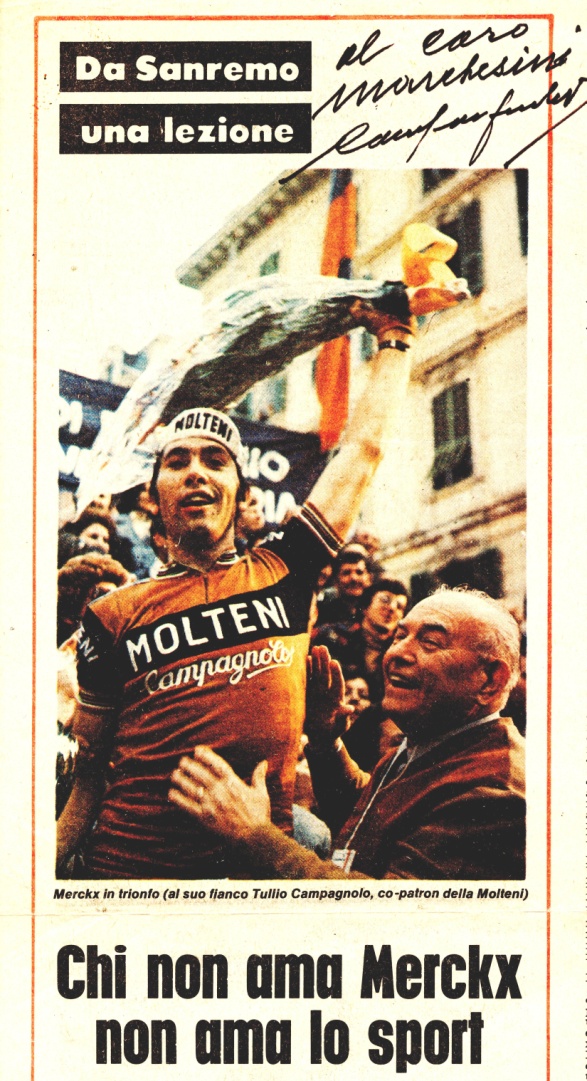
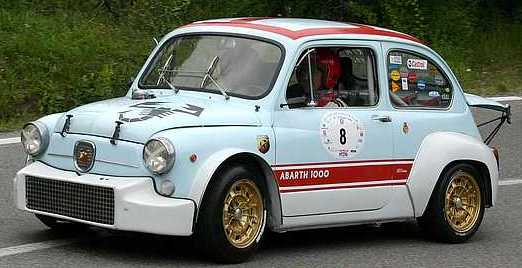
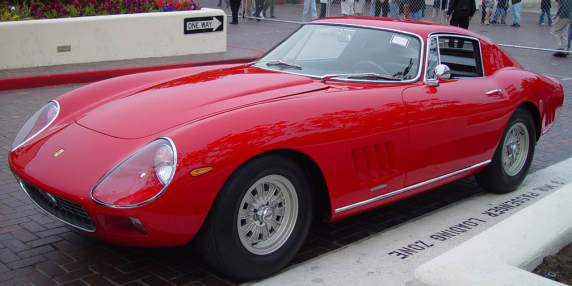
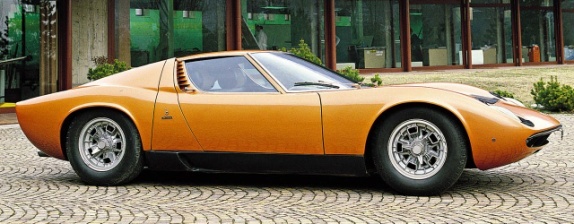
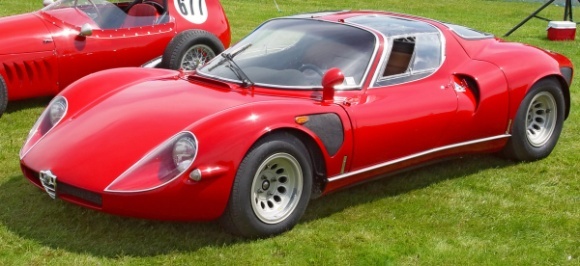
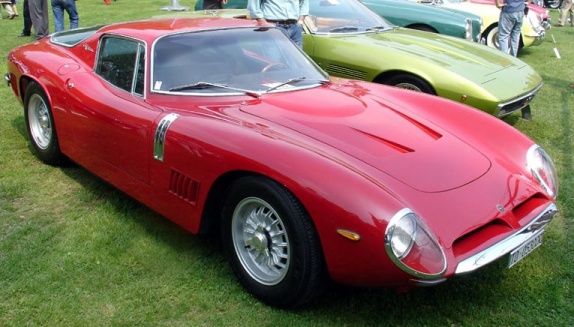
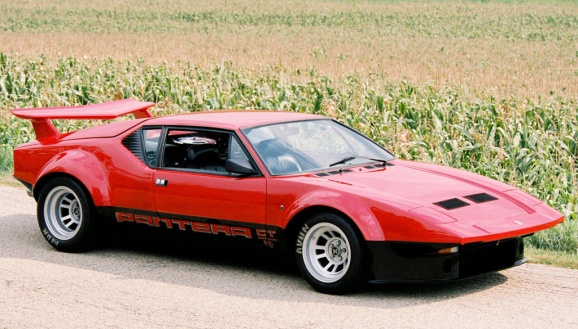
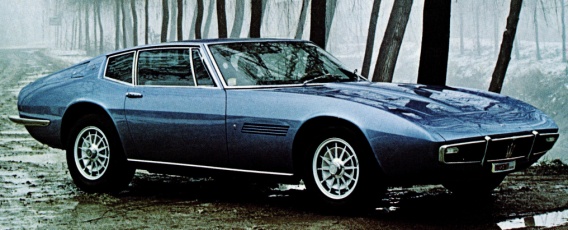
The production of car wheels grew very considerately and with the pride of satisfying request from the best clientele such as Ferrari, Maserati, Alfa Romeo, Lancia, Lamborghini, Abarth, De Tomaso, both for road and racing cars.
Many of the drawings of the wheels that were fitted on the nicest Italian cars of the 60’s and 70’s came from my pencil or in co operation with the Design Centres of those times.
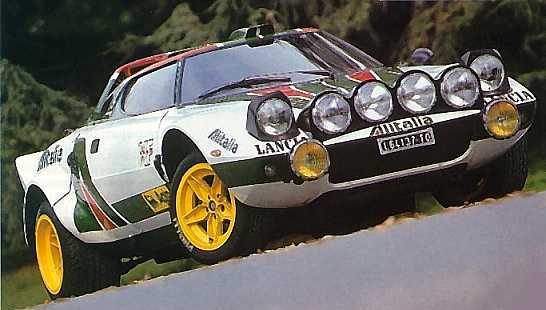
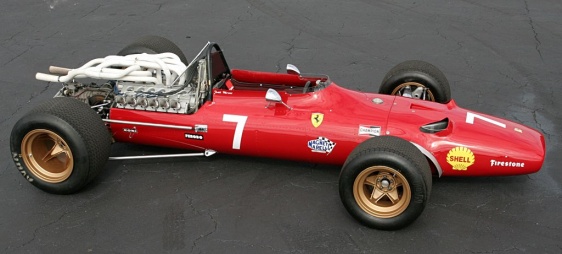
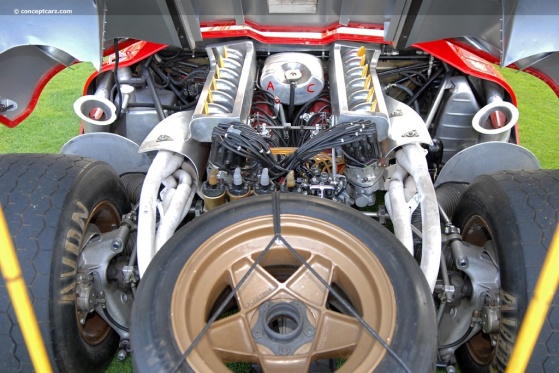
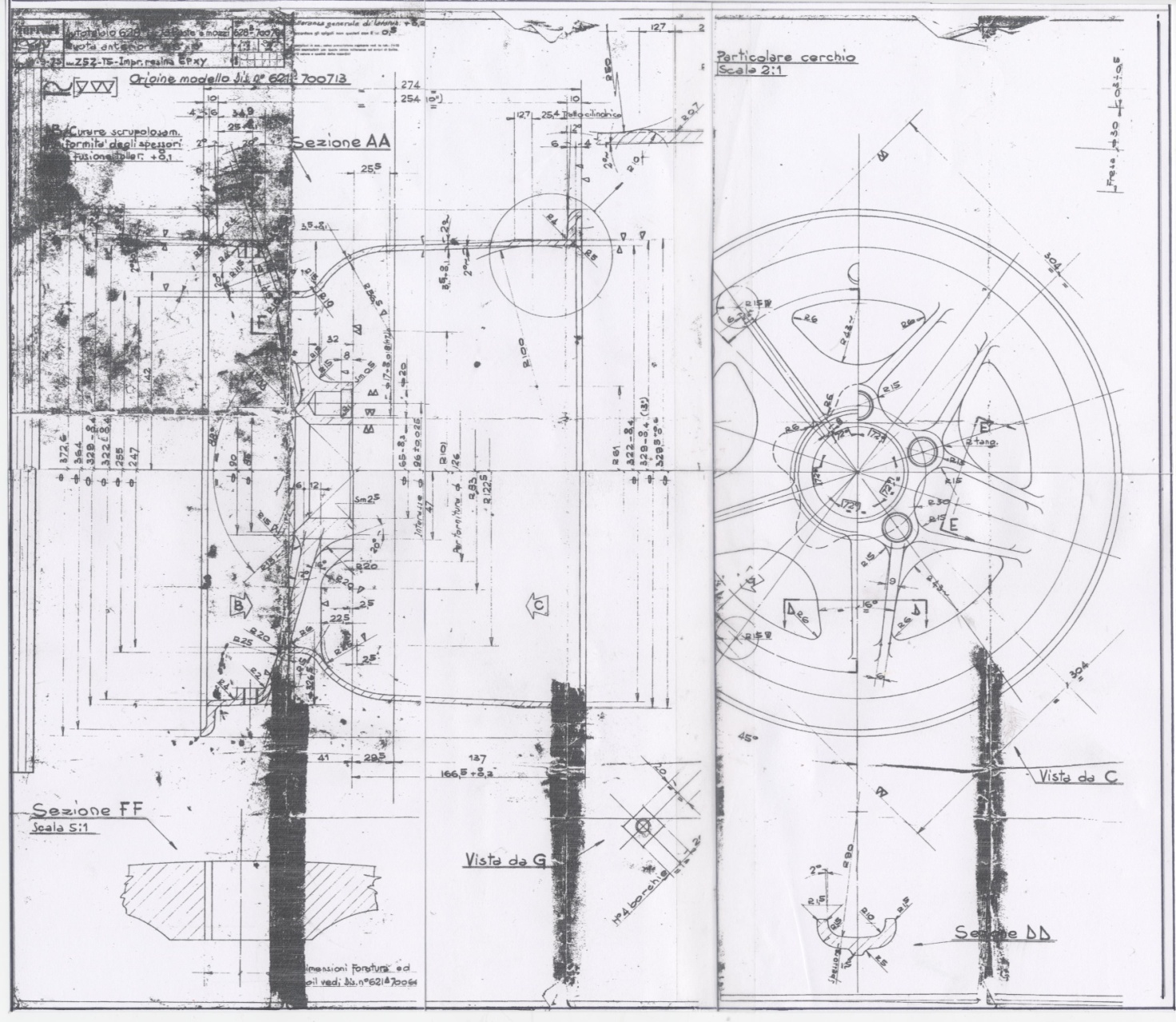
Drawing for a front Campagnolo wheel, size 10x13, Ferrari F1 – 1973
Following the economic boom, intensified in the 60’s, there was a change in the models of mass transport with a general shift towards 4 wheels transport. The family car surpassed the request for motorbikes and Campagnolo’s premises in Bologna reduced by a significant amount the number of laced wheels with drum brakes manufactured (almost 300.000 per year were manufactured), restricting the production only to clients such as Kreidler , Moto Guzzi, Ducati, and Gilera.
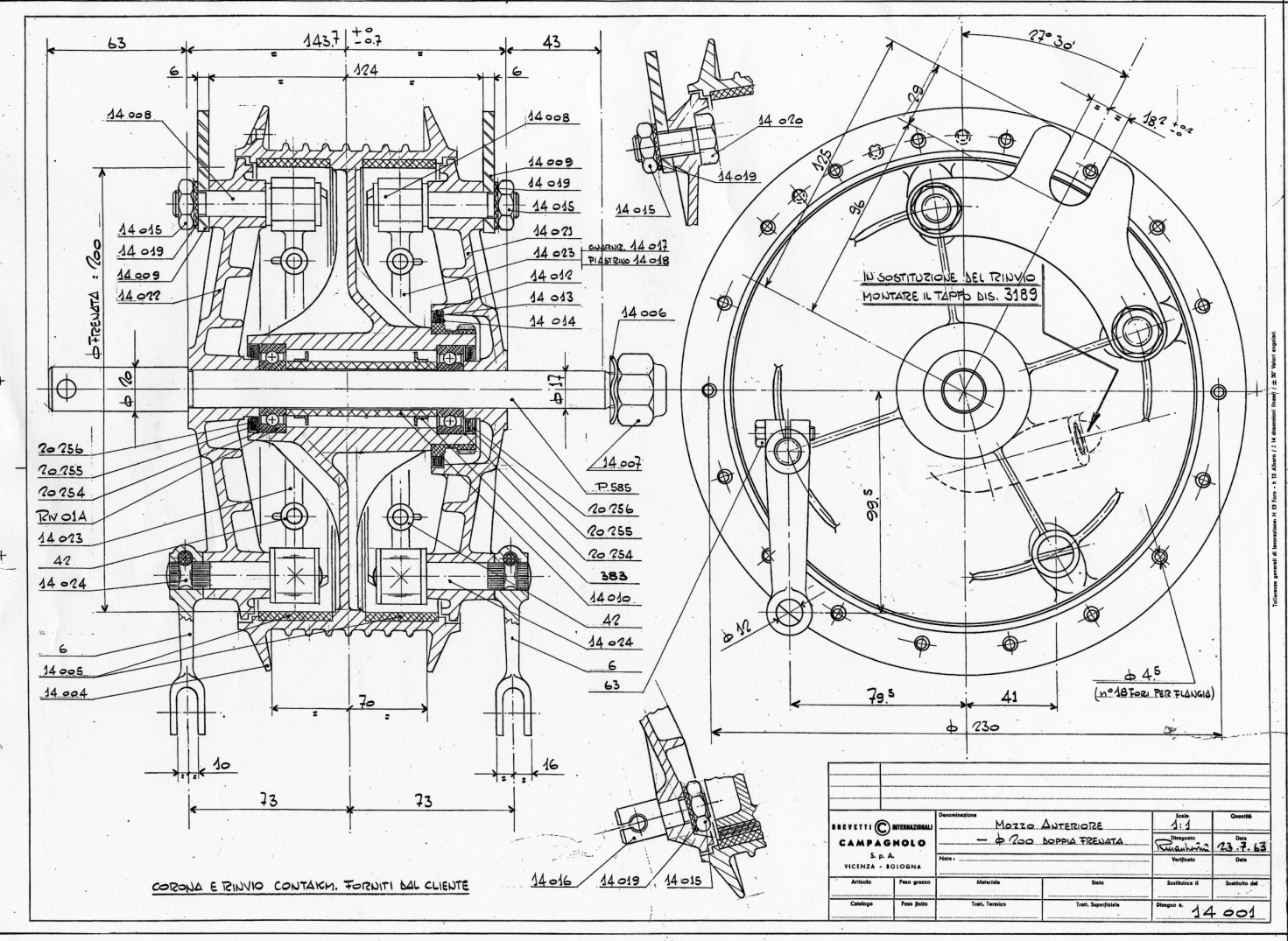
Drawing front hub twin brake drum – R. Marchesini – 1963
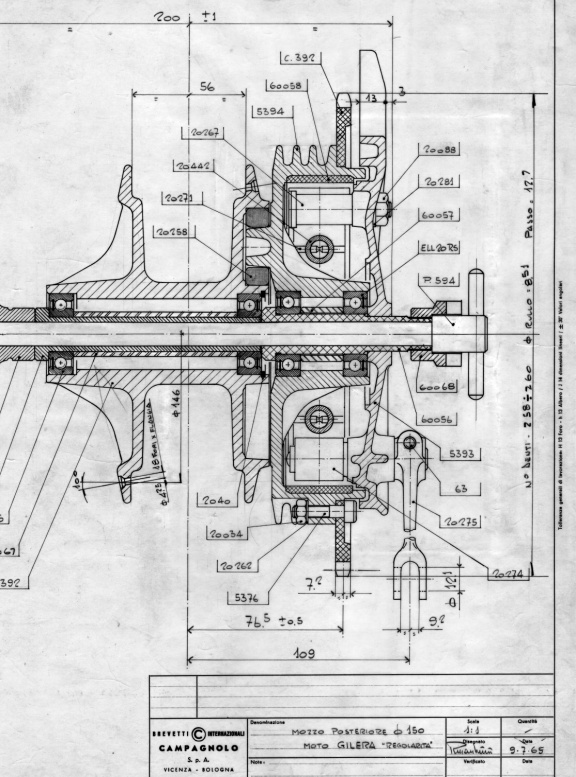
With the decrease in demand of motorcycles there was a strong demand for cheaper means such as mopeds. Campagnolo was unable to work at a low cost and this favoured the growth of the brand GRIMECA.
It was decided to abandon the sector of car disc brakes, unfortunately the company philosophy was to make use of fine materials that resulted in high costs that were not really accepted by the market. This was a shame as the latest versions dated 1966 with aluminium forged caliper gave great performances.
The demand for alloy car wheels was in continuous growth and in the first years Campagnolo was basically the only manufacturer on the market. The wheels were casted exclusively with magnesium alloy, this decision that lasted many years (and was consequently transferred to the brand Tecnomagnesio, born from the handover of Campagnolo premises in Bologna in 1980), created a fertile environment for other wheels manufacturers ( in aluminium) to flourish, many of which were improvised.
There were serious problems, these manufacturers limited their controls only to the visual examinations, they filled the casting defects with welding or plasters. The safety norms were still far from being implemented and they didn’t have the machines for testing. The excessive umbalance of the wheels caused continuous arguments between tyre shops and clients as the latter held the tyres responsible for the faults.
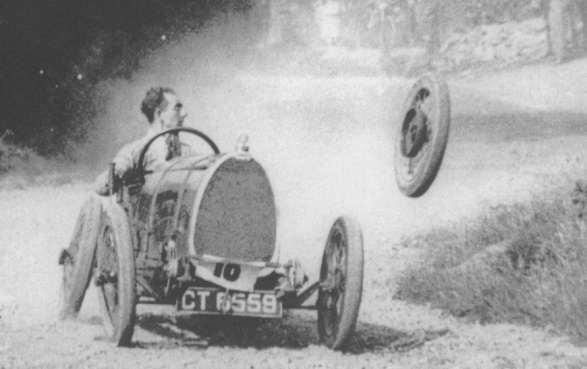
Many of those manufacturers were left behind and the few still on the market had to adapt and became bigger due to a cheaper product as it was cast in aluminium alloy. This had a backlash on Campagnolo.
Back to the motorbikes.
In1963 we began the development of the disc brakes with mechanic control . The first ones were manufactured to be fit on the front 125 and 250 cc competition bikes. The 1964 project that was carried out in co operation with Innocenti for the front disc brake for Lambretta 175 TV scooter revealed to be a great success and thousands were produced. MV 600 launched in 1965 and then manufactured in 1967 had the front mechanic disc brake Campagnolo. Always in 1965 Benelli, put the mechanic disc brake on the 250cc bike of the reigning champion Tarquinio Provini. The truth is that there wasn’t that major improvement in the races compared to the 2 x twin leading shoe drum brake as the pressure that was mechanically transmitted through the brake lever didn’t guarantee sufficient torque.
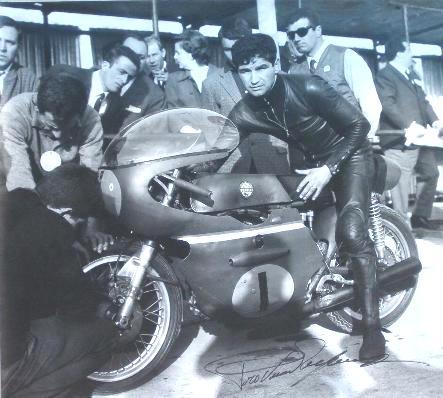
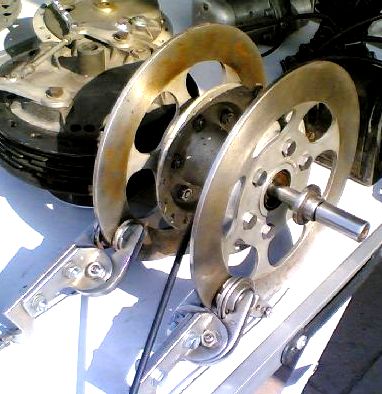
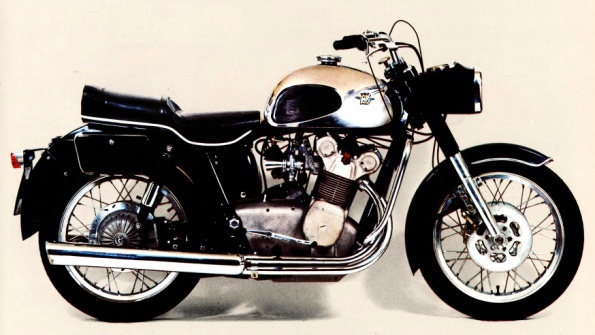
The one piece cast motorbike wheels re appeared at the end of the 60’s with a delay compared to the car ones
They couldn’t have a better debut, in fact the first motorbike to be produced in series (if we can say so) was the “Mammuth”, a particular object as it was conceived around the car engine of the NSU Prinz of 1200 cc.
Once again it was Campagnolo that allowed sportsmen and industries in the sectors to have light alloy wheels.
In 1968 Laverda wanted to equip the new powerful tricylindrical 1000 cc with one piece casted wheel to house their drum brake at the centre. Laverda focused a lot on the strength of the braking, the 750 bicylindrical version in fact had an ‘SF’ close to the name, standing for “Super Freno” i.e. Super Brake.
I remember that I worked really enthusiastically to that project and with the help of the foundry, a few weeks later we had the prototypes.
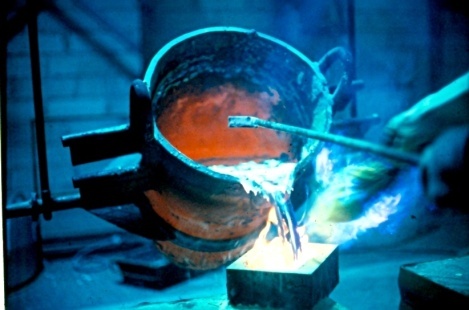
I feel it is right to open a parenthesis on Campagnolo’s foundry department of Magnesium alloys. With an incomparable technical know-how, on top of wheels, a large number of quality casting parts were produced, destined mainly to the motoring, aero spatial and war industry. It was an immense satisfaction for me to assist and co operate even manually to the start up of what I had previously put down on paper.
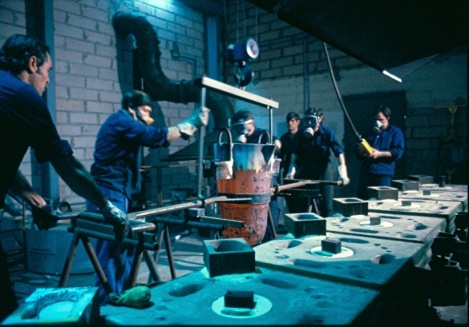
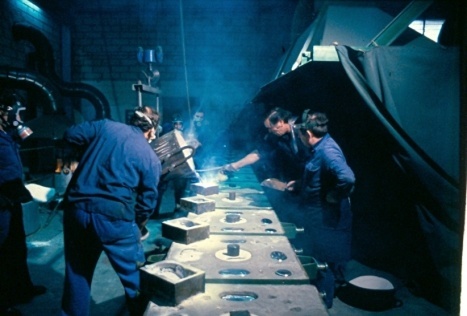
Laverda wheels were a real masterpiece of engineering and casting, nevertheless the road tests did not offer equal results to the offert that was put in. The big built-in brake ring become warp due to the heating, this was mainly due to the rigidity of the spokes that didn’t allow a more uniform heat dissipation.
This test proved us that the drum brake and one piece casted wheel were not good companions.
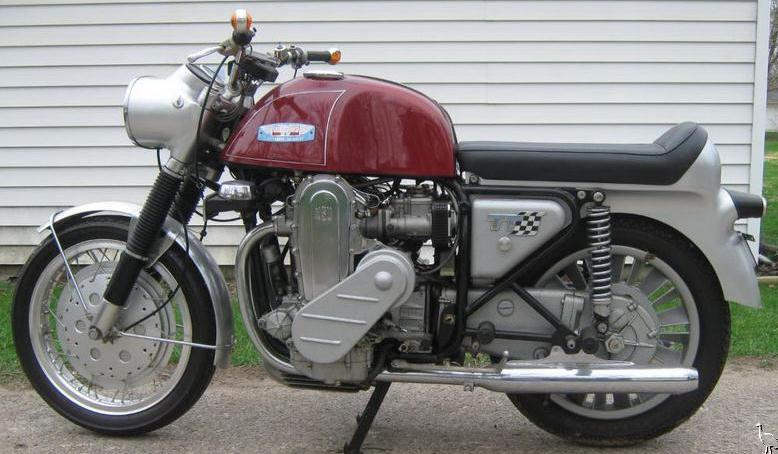
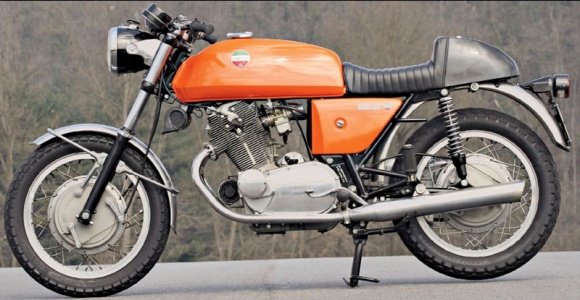
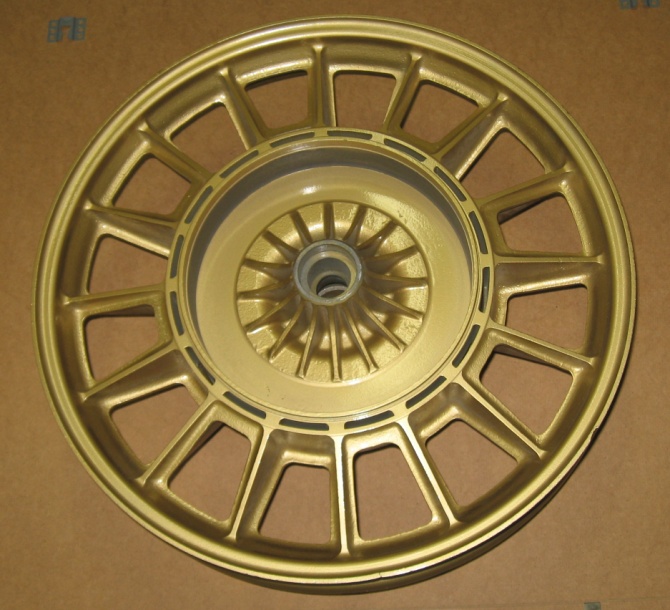
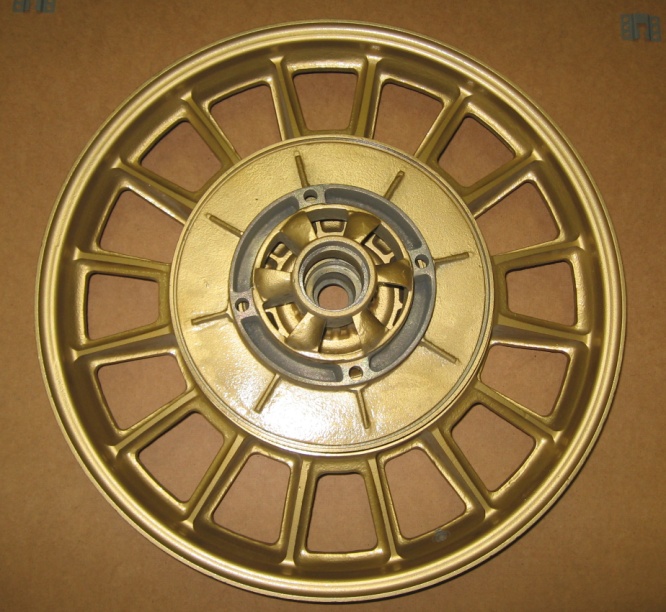
Campagnolo prototype wheels for Laverda – Mg sand cast alloy - 1968
1969 - the first real functional one piece motorbike wheel
Towards the end of 1968 we found out that Lockheed was already in an advanced phase of manufacturing disc brakes for motorbikes and that several manufacturers and English riders were already using them.
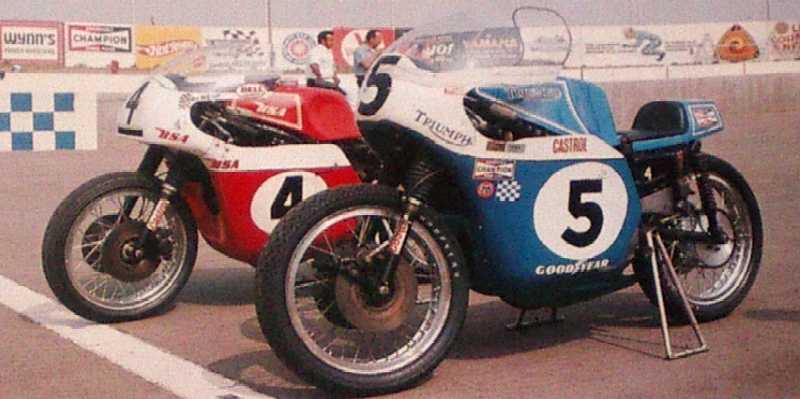
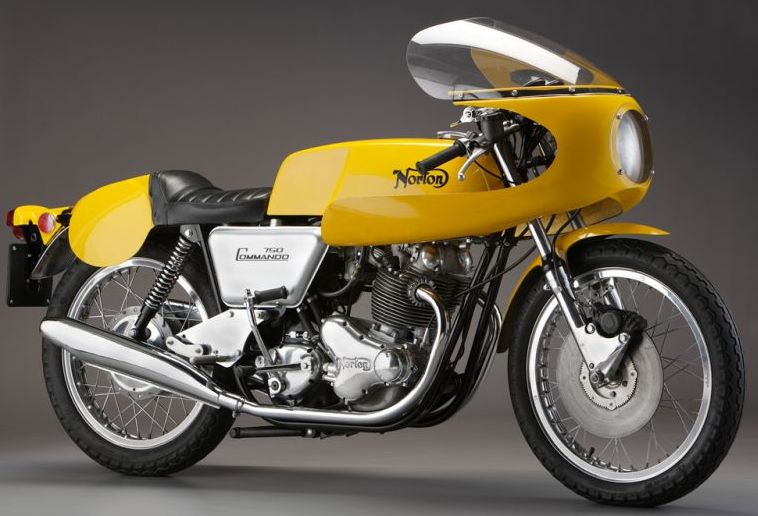
In 1969 we managed to obtain further details and on the grounds of the information we gathered I got started on the project for an suitable cast wheel. This is how the Campagnolo wheel was born with 5 spoke design that soon after imposed itself for many years across all levels of the different classes taking part in the Road Race World Motorcycle Championship, becoming a point of reference for other manufacturers.
This wheel remained for several years in standby as Mr. Tullio Campagnolo wanted to place on the market his invention before this one: he had come up with the hydraulic brake with twin rotors fitted inside the hub still in a wire laced rim.
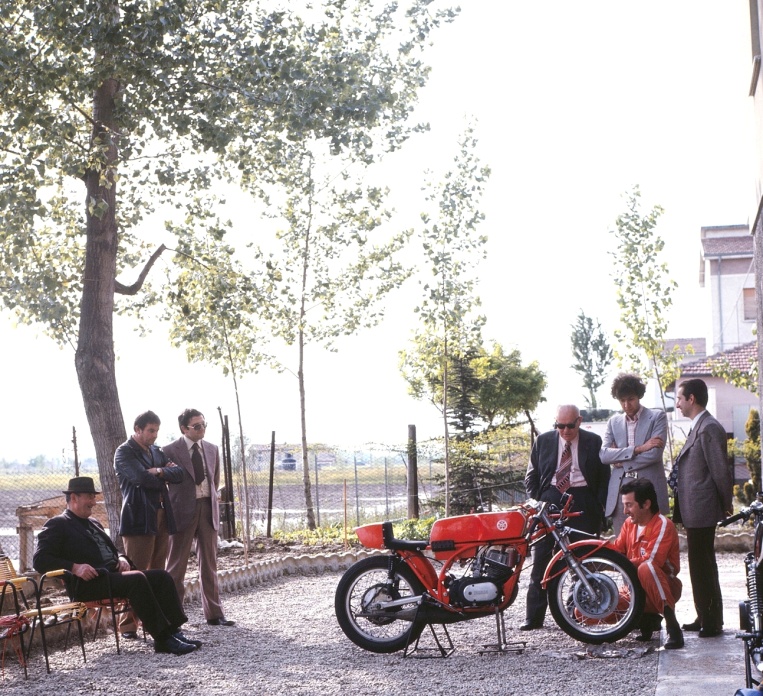
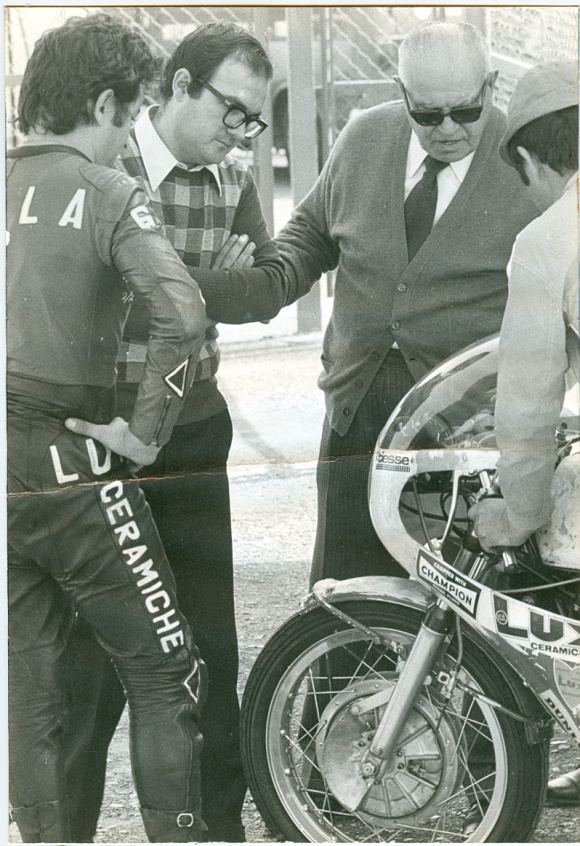
It was a long and expensive project that Campagnolo worked on personally in great secrecy. In 1972 I was asked to find a rider who would test the brake and I found the unforgettable Walter Villa. Toward the end of the season we started experimenting using the several racing bikes Walter owned.
These first tests took place in the main roads nearby his house, racing and braking. During the numerous pauses necessary to adjust the brake, we would sit in the shade of the tree and be offered salami and lambrusco wine by Villa’s dad, unforgettable memories.
The accident in Monza in 1973, in which Jarno Saarinen and Renzo Pasolini died and Walter Villa was seriously injured, caused further delay in the development of the project.
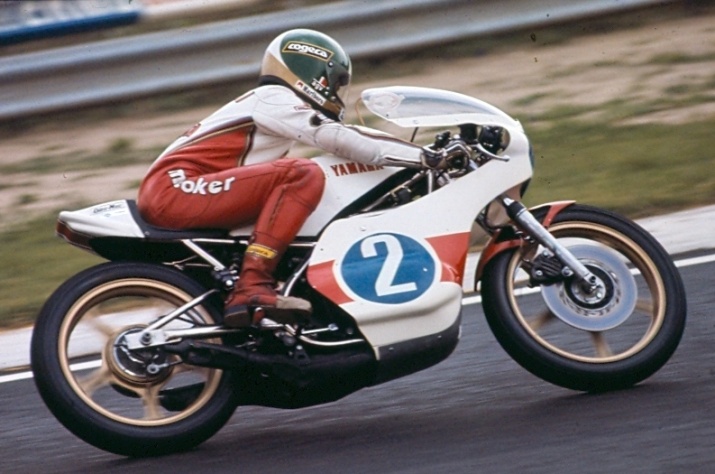
As soon as Villa recovered he used the improved brake on the Yamaha 250 and 350 he used for racing.
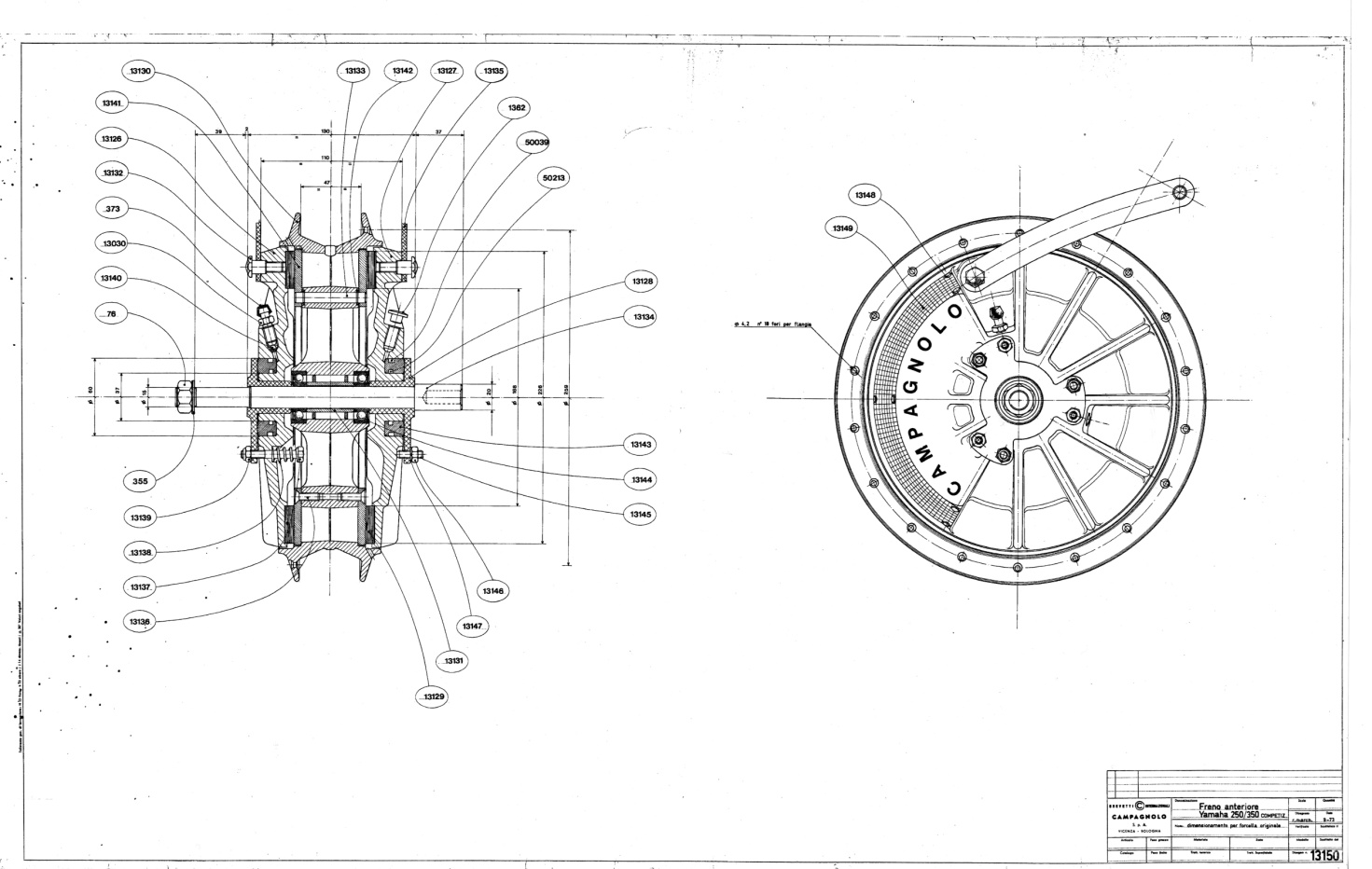
One day I was surprised to receive from the Commendatore a series of new indication that altering a lot the work carried out until then: the two flat discs would have to be replaced by a conical shaped single disc.
I pulled up my sleeves and began redesigning everything, no longer for a wire laced wheel but including the brake in a one piece casted wheel that somehow resembled that 5 spoke design that had been left unused for a long time.
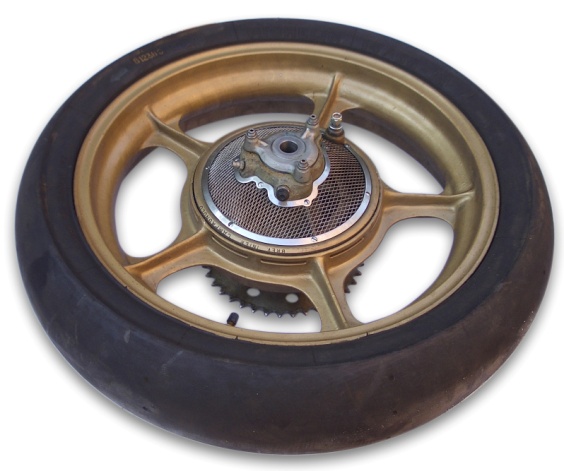
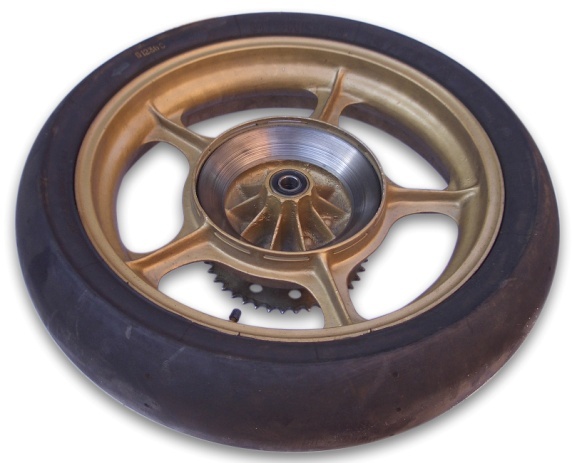
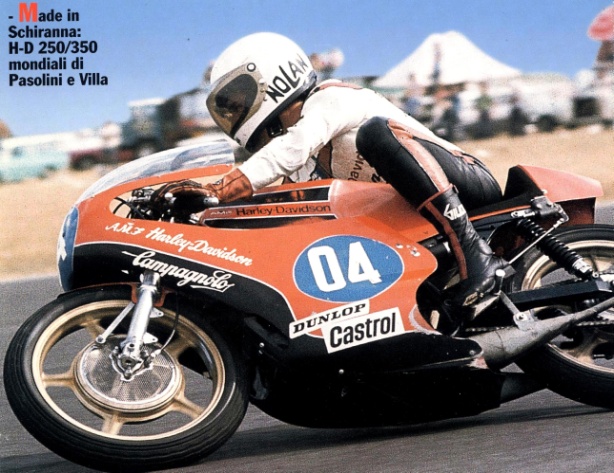
The following year Villa was officially on Aermacchi- Harley Davidson 250 and 350 cc. ( on which he won 4 world titles between 1974 and 1976) fitted with hydroconic Campagnolo brakes. In the course of the years, the brake reached good levels of functionality, assured constant braking during the entire length of the race and in wet conditions guaranteed good modularity. Other important riders such as Giacomo Agostini and Johnny Cecotto tested that brake but did not appreciate it. Only Walter Villa knew how to set up it to achieve the best performance.